Remote-First Culture: Building High-Performance Teams Across Time Zones
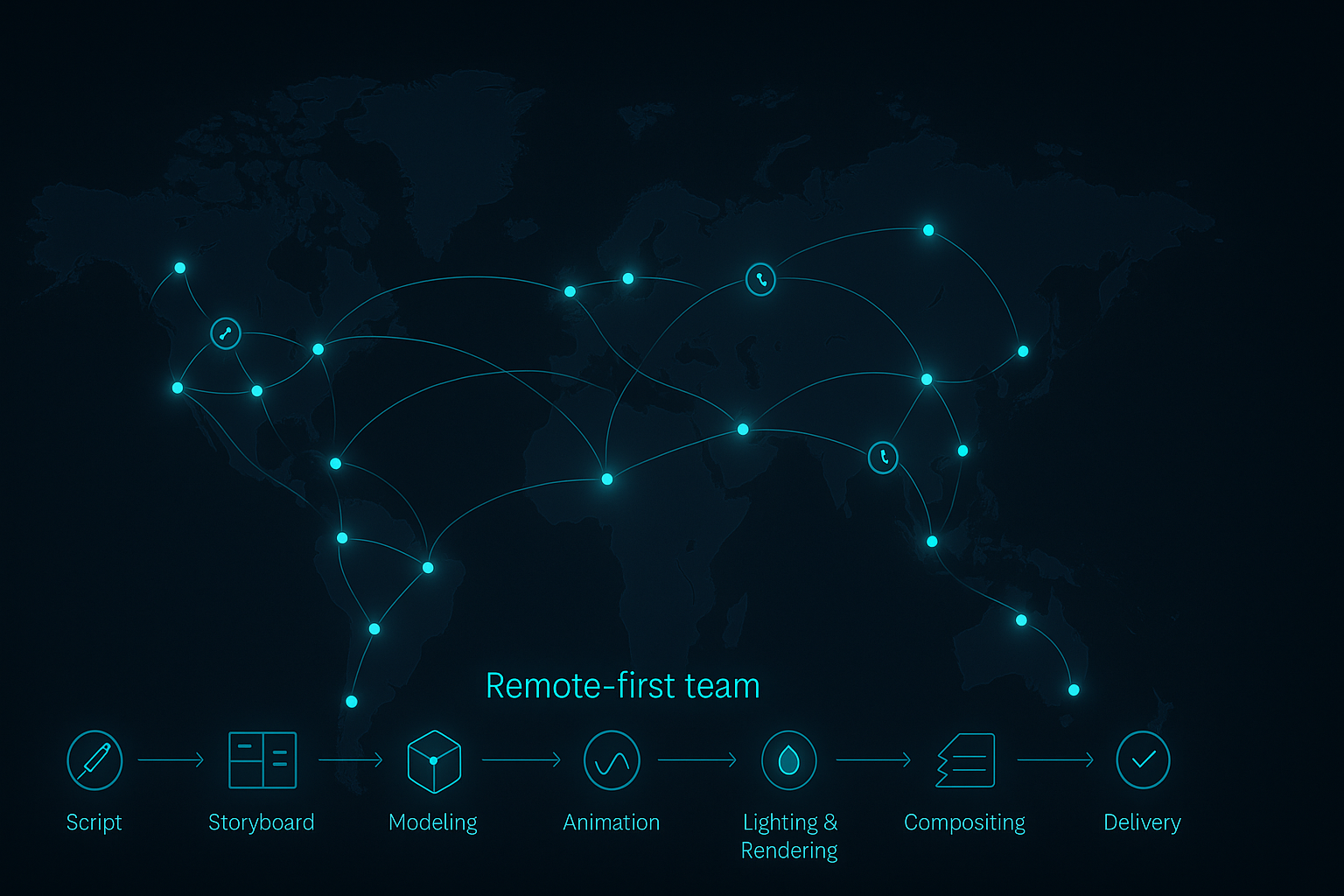
The shift to remote work has been one of the most significant workplace transformations of our time. While many organizations were forced into remote work by circumstances, at ZPro we chose to be remote-first from day one. This intentional approach has allowed us to build a culture that not only accommodates remote work but is optimized for it.
Many of the practices here pair naturally with the way we design AI second brains for distributed teams and how we think about resilient digital products.
Why Remote-First?
Our decision to build a remote-first organization wasn't just about following trends. It was based on several strategic advantages:
Access to Global Talent
Being remote-first means we can hire the best person for the job, regardless of their geographic location. This has allowed us to build a team with diverse perspectives and specialized expertise that would be impossible to assemble in a single location.
Increased Productivity
Contrary to traditional management fears, we've found that remote work often leads to increased productivity. Team members can work during their most productive hours, avoid lengthy commutes, and create work environments that suit their individual needs.
Cost Efficiency
Remote work eliminates the overhead of physical office space while allowing us to invest more in tools, training, and team development.
Business Continuity
A distributed team is naturally more resilient to local disruptions, whether they're weather-related, transportation issues, or other events.
The Principles of Remote-First Culture
Building a successful remote-first culture requires more than just sending everyone home with a laptop. It requires intentional design around several key principles:
1. Trust and Autonomy
Remote-first culture is built on trust. This means:
- Results-Oriented Thinking: We focus on outcomes rather than activities or hours worked
- Autonomous Decision-Making: Team members have the authority to make decisions within their areas of responsibility
- Transparent Communication: Information is shared openly and proactively
- Psychological Safety: People feel comfortable taking risks and admitting mistakes
2. Asynchronous Communication
One of the biggest challenges in remote work is managing communication across time zones. We've developed several practices to address this:
- Documentation-First: Important decisions and discussions are documented so that anyone can catch up regardless of when they were online
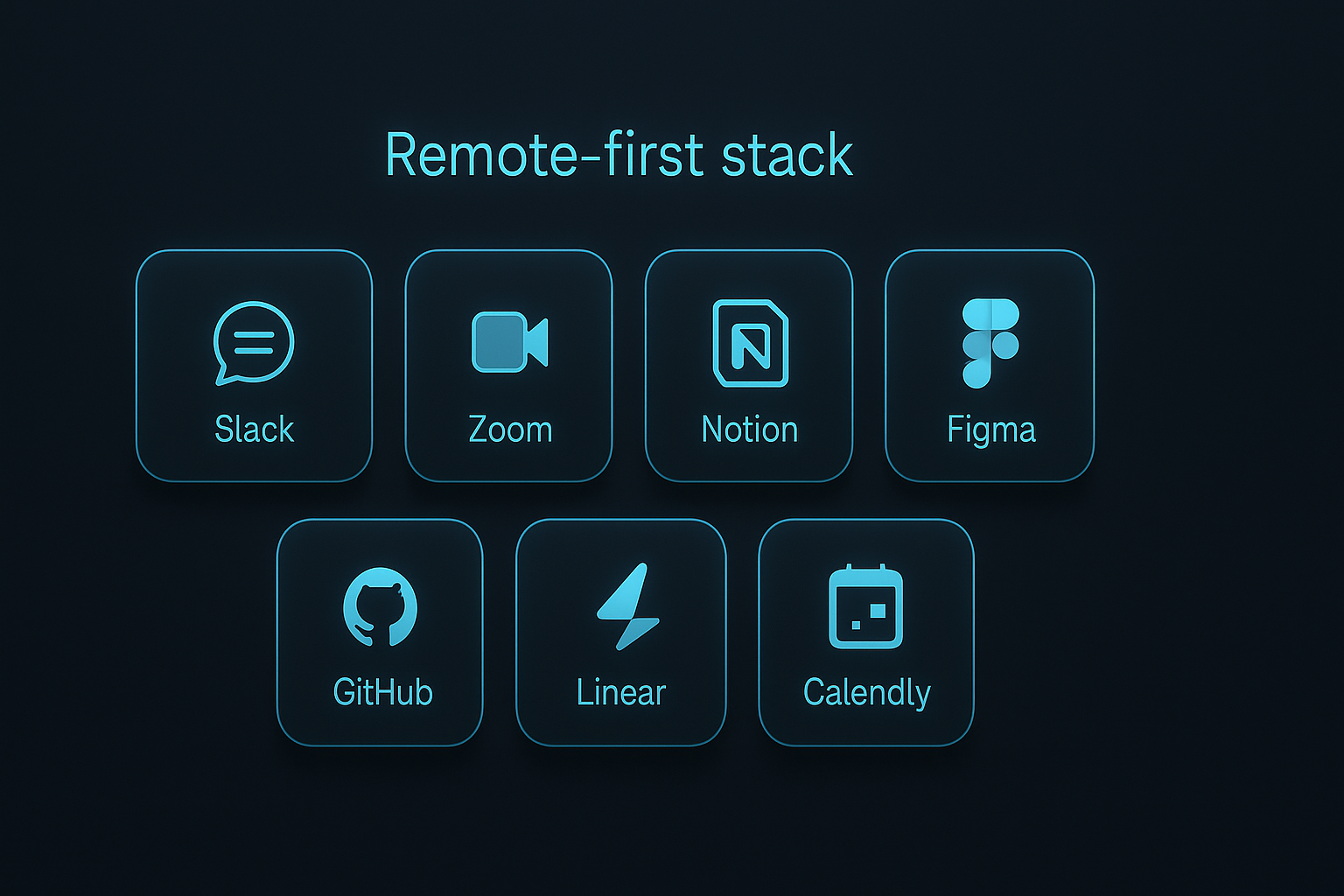
- Thoughtful Tool Selection: We use different tools for different types of communication (Slack for quick questions, Notion for documentation, Zoom for complex discussions)
- Response Time Expectations: We've established clear expectations around response times that respect different working hours
- Meeting Hygiene: We minimize meetings and always record them for team members who can't attend
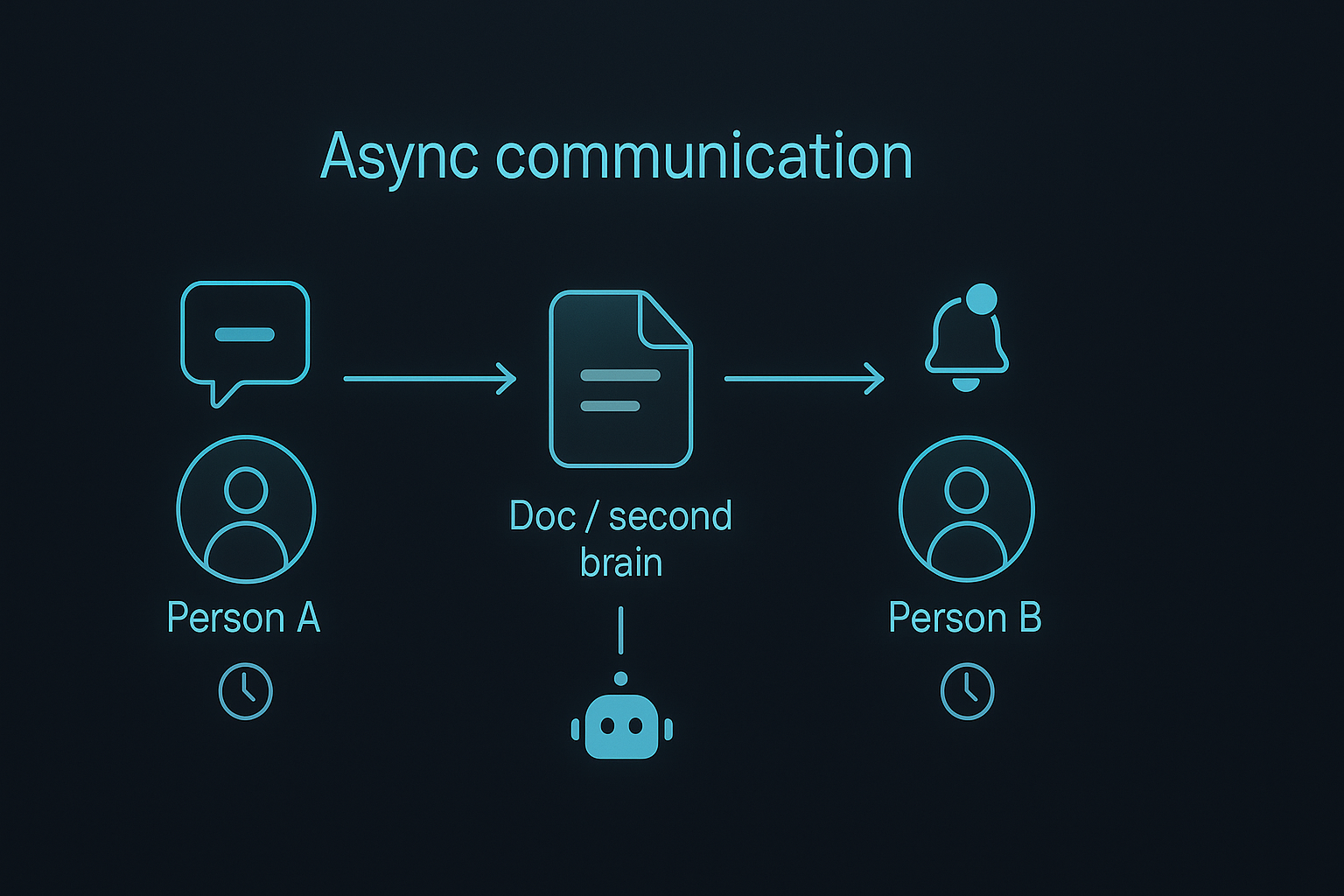
Many teams enhance this with an internal AI assistant or second brain that keeps track of decisions and context across these channels.
3. Intentional Relationship Building
Remote work can feel isolating if you don't intentionally build relationships. Our approach includes:
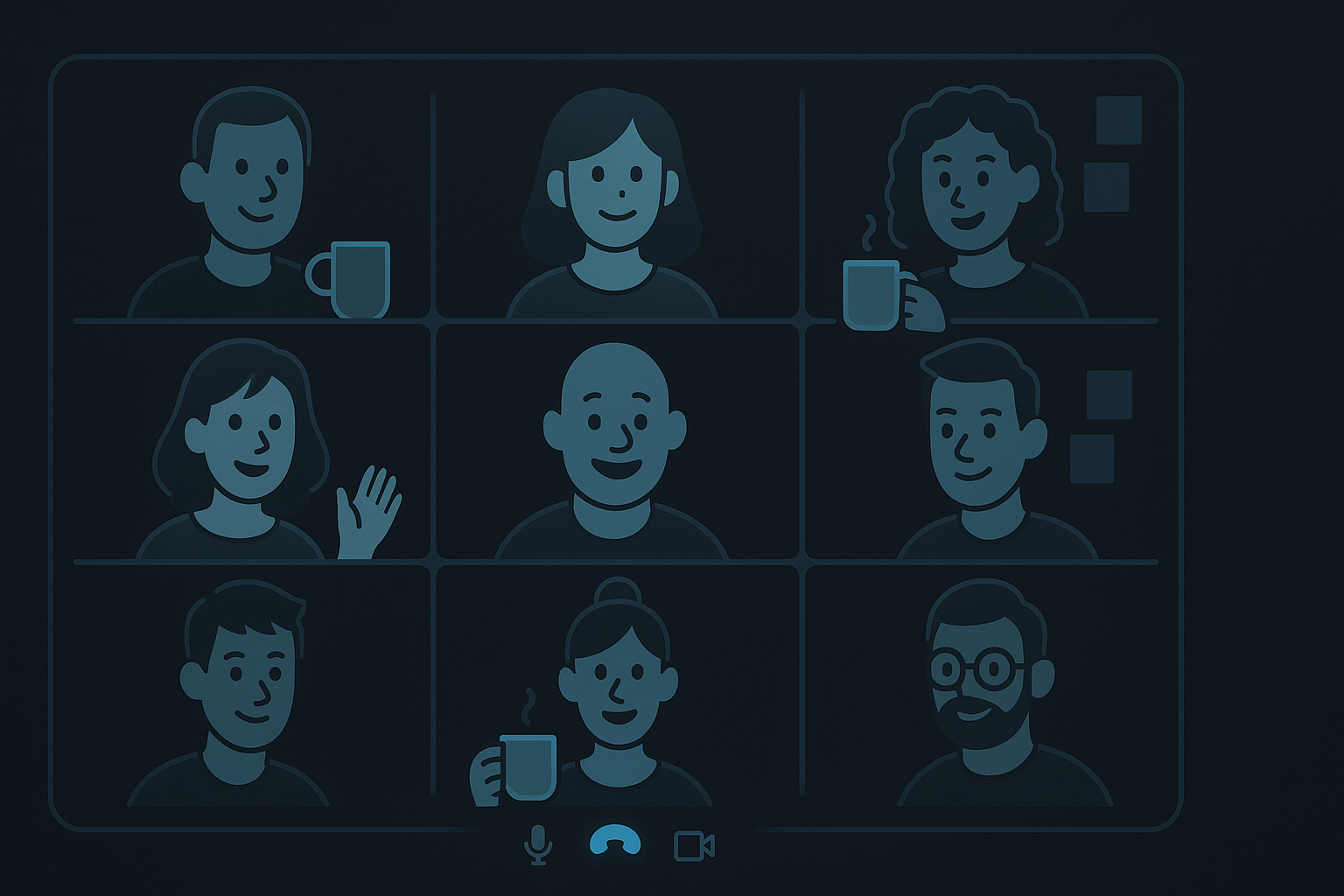
- Virtual Coffee Chats: Regular informal video calls for team members to connect
- Team Retreats: Quarterly in-person gatherings (when possible) for strategic planning and team building
- Interest-Based Channels: Slack channels for sharing hobbies, interests, and personal updates
- Celebration Rituals: Virtual celebrations for wins, milestones, and special occasions
4. Clear Processes and Expectations
Remote teams need clear processes more than co-located teams. This includes:
- Defined Workflows: Clear processes for how work gets done, reviewed, and approved
- Tool Standards: Consistent use of tools and platforms across the team
- Communication Protocols: Clear guidelines for when and how to use different communication channels
- Performance Metrics: Transparent metrics for measuring individual and team performance
Tools and Technology
The right tools are essential for remote-first success. Our tech stack includes:
Communication
- Slack: Real-time messaging and team communication
- Zoom: Video conferencing for meetings and collaboration
- Loom: Asynchronous video communication for complex explanations
Collaboration
- Notion: Knowledge management and documentation
- Figma: Design collaboration and review
- GitHub: Code collaboration and version control
Project Management
- Linear: Project management and issue tracking
- Calendly: Meeting scheduling across time zones
- Time Zone Converter: Tools to help coordinate across time zones
Overcoming Common Challenges
Remote-first work isn't without its challenges. Here's how we address some of the most common issues:
Time Zone Coordination
With team members across multiple time zones, coordination can be challenging. Our approach:
- Core Overlap Hours: We identify 2-3 hours of overlap for real-time collaboration
- Rotating Meeting Times: When regular meetings are necessary, we rotate times to share the burden
- Asynchronous-First: We default to asynchronous communication whenever possible
Maintaining Culture
Building culture remotely requires intentional effort:
- Onboarding Program: Comprehensive onboarding that introduces new team members to our culture and values
- Regular Check-ins: One-on-ones and team meetings that go beyond work discussions
- Virtual Team Building: Online games, challenges, and activities that build relationships
Work-Life Balance
Remote work can blur the boundaries between work and personal life:
- Flexible Schedules: Team members can set their own working hours within reason
- Encouraged Time Off: We actively encourage team members to take vacation time
- No After-Hours Communication: We have policies against expecting responses outside of working hours
Measuring Success
We track several metrics to ensure our remote-first approach is working:
Team Satisfaction
Regular surveys and one-on-ones to gauge team satisfaction and identify areas for improvement.
Productivity Metrics
We track project completion rates, quality metrics, and client satisfaction to ensure we're maintaining high performance.
Retention Rates
High retention rates indicate that team members are happy with our remote-first approach.
Client Feedback
We regularly solicit feedback from clients about our communication and collaboration.
Lessons Learned
After several years of remote-first operation, we've learned some valuable lessons:
1. Culture Requires Constant Attention
Remote culture isn't "set it and forget it." It requires ongoing attention and investment to maintain and improve.
2. Tools Matter, But Not as Much as You Think
While good tools are important, they're not a substitute for good processes and communication practices.
3. Flexibility is Key
What works for one team member might not work for another. Flexibility and individual customization are important.
4. Over-Communication is Better Than Under-Communication
In remote settings, it's almost impossible to over-communicate. When in doubt, share more information.
The Future of Remote Work
As we look ahead, we see several trends shaping the future of remote work:
Hybrid Models
Many organizations are adopting hybrid models that combine remote and in-person work. We believe the key is being intentional about when and why you bring people together.
Virtual Reality Collaboration
VR and AR technologies are creating new possibilities for remote collaboration and presence.
AI-Assisted Work
AI tools are beginning to assist with everything from meeting transcription to project management, especially when they plug into a well-structured AI operating system for your company.
Conclusion
Building a successful remote-first culture isn't easy, but the benefits are substantial. It requires intentional design, consistent execution, and ongoing attention to team dynamics and culture.
The key is to approach remote work not as a compromise or temporary solution, but as a strategic advantage that allows you to build a more diverse, productive, and resilient organization.
As we continue to refine our remote-first approach, we're constantly learning and adapting. The future of work is distributed, and organizations that embrace this reality will have a significant competitive advantage in attracting talent, serving clients, and building sustainable businesses.
The question isn't whether remote work is here to stay—it's how quickly organizations can adapt to make it work effectively for their teams and their business objectives.