
Building Resilient Digital Products: Lessons from the Trenches
In today's rapidly evolving digital landscape, building products that remain relevant and functional over time is increasingly challenging. As someone who's been through multiple product development cycles, I've learned that resilience isn't just about technical robustness—it's about creating products that can adapt and evolve with changing market conditions and user needs.
If you're exploring how AI fits into that picture, our article on the future of AI in business looks at how intelligent systems can augment—not replace—your product teams.
The Foundation of Resilient Products
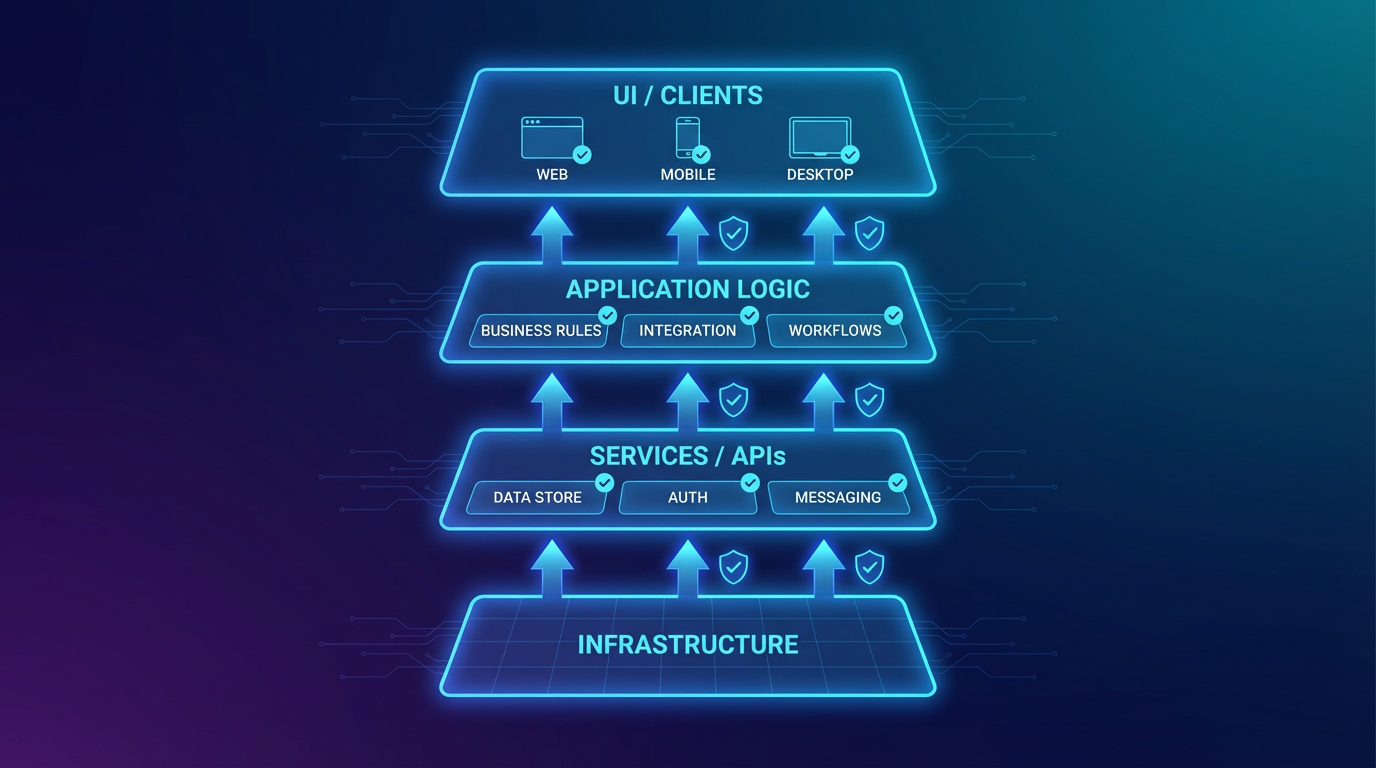
Resilient digital products share several key characteristics that go beyond basic functionality. They are built on solid architectural principles that allow for flexibility and growth while maintaining performance and reliability.
Architectural Resilience
The foundation of any resilient product is its architecture. This means:
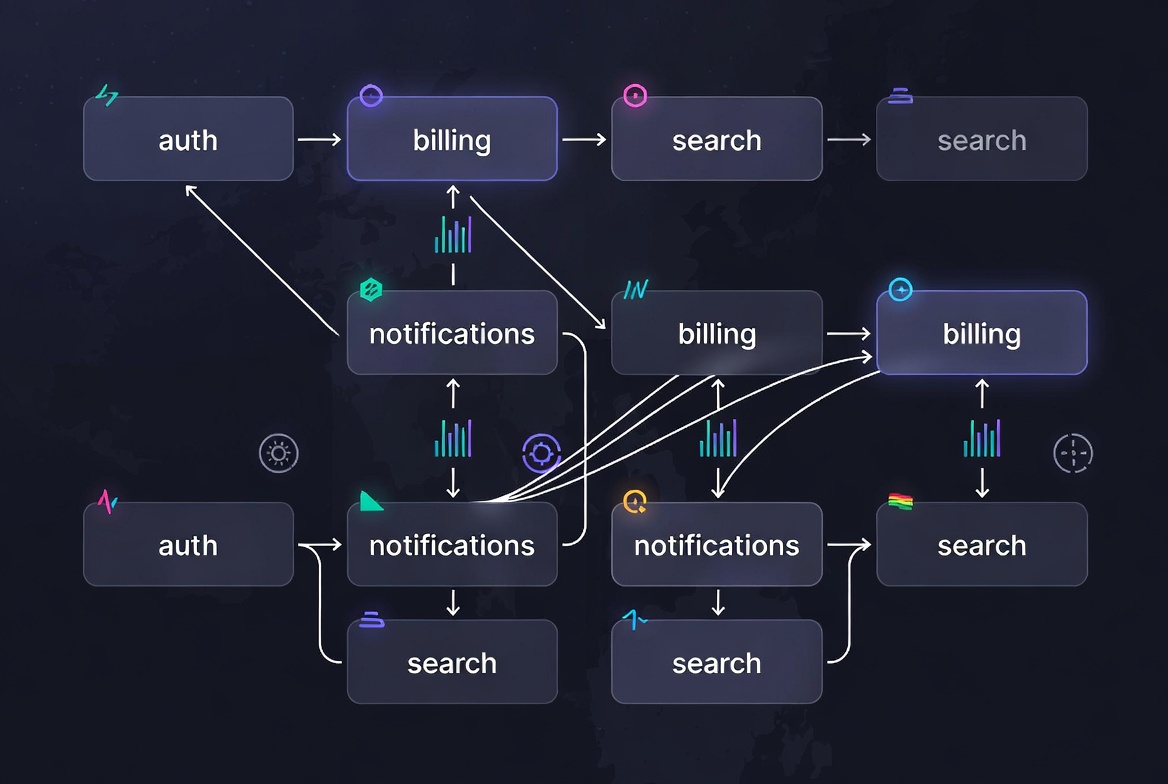
- Modular Design: Building components that can be updated independently without affecting the entire system
- Scalable Infrastructure: Designing for growth from day one, even if initial user numbers are small
- Fault Tolerance: Creating systems that can handle failures gracefully without catastrophic collapse
- Data Integrity: Ensuring that data remains consistent and reliable even during system updates or failures
User-Centered Resilience
Technical resilience means nothing if the product doesn't meet user needs. User-centered resilience involves:
- Adaptive Interfaces: Designs that work across different devices and accessibility needs
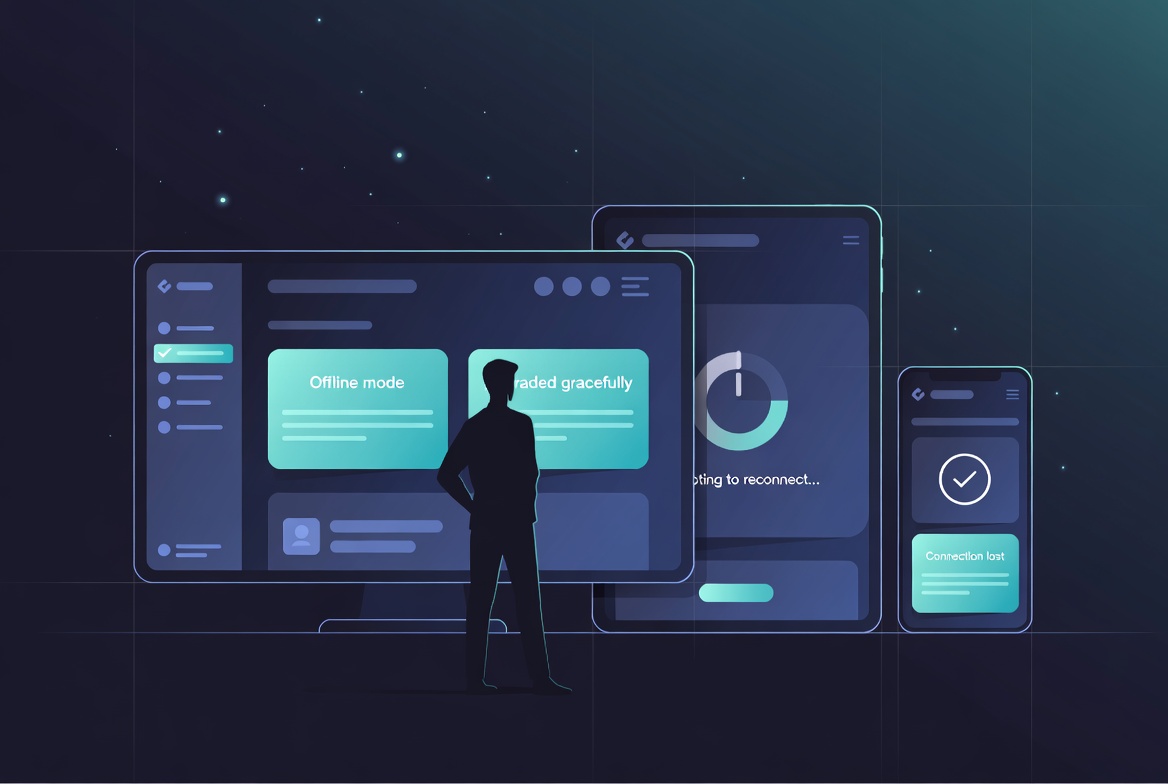
- Progressive Enhancement: Core functionality that works even when advanced features fail
- Clear Feedback: Users always know what's happening and what to expect
- Graceful Degradation: The product continues to function even when some features are unavailable
The same mindset applies when you're designing internal systems like an AI second brain for your team: resilience means people can still work when tools or integrations misbehave.
Lessons from Failed Products
I've seen many products fail not because of technical issues, but because they lacked resilience in other areas:
Market Resilience
Products must be able to adapt to changing market conditions. This means:
- Flexible Business Models: The ability to pivot revenue strategies when market conditions change
- Competitive Awareness: Understanding the competitive landscape and being prepared to differentiate
- User Feedback Loops: Continuous mechanisms for understanding and responding to user needs
Team Resilience
The team behind the product is just as important as the technology:
- Knowledge Management: Ensuring that critical knowledge isn't siloed with individual team members
- Continuous Learning: Teams that stay current with technology and market trends
- Cross-Functional Skills: Team members who can adapt to different roles as needed
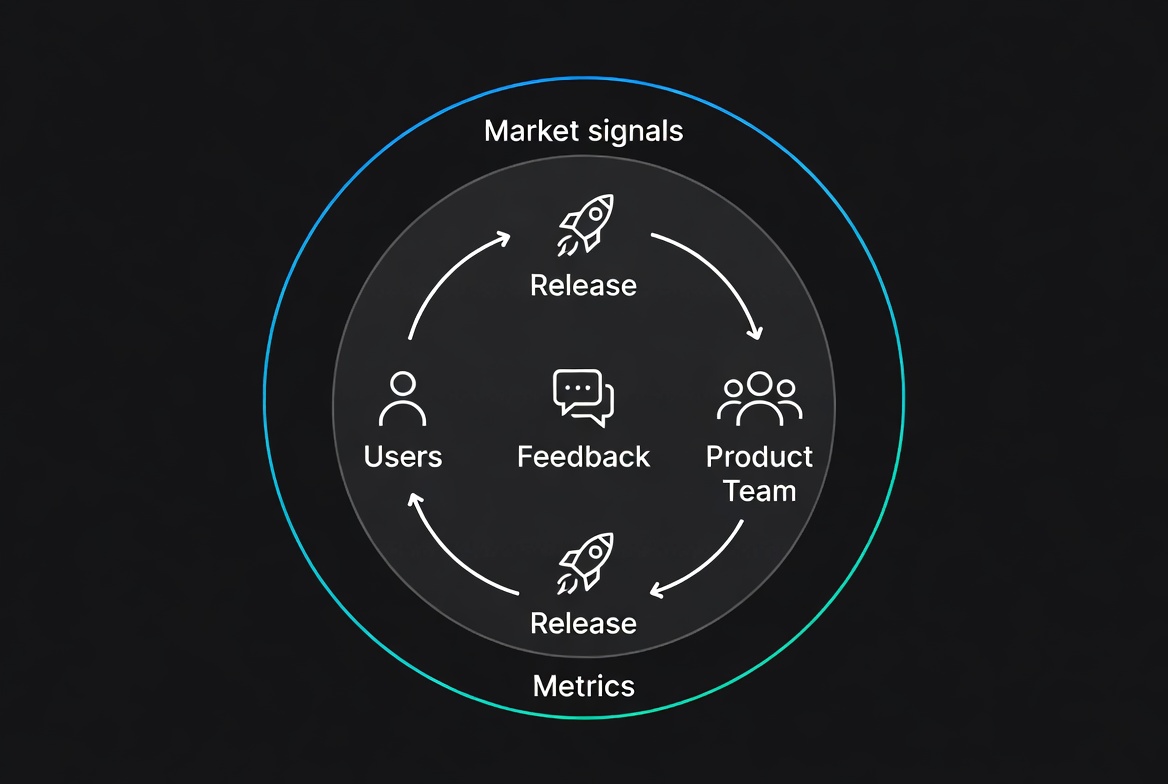
For a deeper dive into how to structure these loops, have a look at our strategic problem-solving framework, which we use with teams facing complex product decisions.
Practical Strategies for Building Resilience
Based on my experience, here are some practical strategies for building more resilient products:
1. Start with the Right Architecture
Choose technologies and architectural patterns that support flexibility and growth. This might mean investing more time upfront in planning, but it pays dividends in the long run.
2. Build for Evolution
Design your product with the expectation that it will need to change. This means:
- Clean, well-documented code
- APIs that can evolve without breaking existing functionality
- Database schemas that can be modified without data loss
3. Invest in Monitoring and Observability
You can't fix problems you don't know about. Comprehensive monitoring helps you identify issues before they become critical.
4. Practice Failure Scenarios
Regularly test how your system handles failures. This includes:
- Load testing to understand performance limits
- Chaos engineering to test system resilience
- Regular disaster recovery drills
5. Build Strong Feedback Loops
Create mechanisms for getting regular feedback from users, stakeholders, and team members. This helps you identify potential issues early and adapt to changing needs.
The Human Element
Ultimately, resilient products are built by resilient teams. This means creating an environment where:
- Team members feel safe to experiment and fail
- Learning from mistakes is encouraged and celebrated
- Communication is open and honest
- Decisions are based on data and user feedback rather than assumptions

Strong product resilience is easier to maintain inside a healthy remote-first culture, where documentation, trust, and clear processes are baked into how the team operates.
Conclusion
Building resilient digital products is both an art and a science. It requires technical excellence, strategic thinking, and a deep understanding of user needs. Most importantly, it requires a commitment to continuous improvement and adaptation.
The products that succeed in the long term aren't necessarily the ones with the most features or the flashiest technology—they're the ones that can adapt, evolve, and continue to deliver value even as everything around them changes.
As we continue to build the digital future, resilience should be at the forefront of our thinking. Because in a world of constant change, resilience isn't just a nice-to-have—it's essential for survival and success.