
The Art of Strategic Problem-Solving: A Framework for Complex Challenges
After years of helping organizations solve their most challenging problems, I've developed a systematic approach that consistently delivers results. This framework has been refined through hundreds of engagements, from startup pivots to enterprise transformations.
If you're exploring how AI fits into your strategic toolkit, you might also want to read about the future of AI in business and how we use AI second brains to keep decisions and context connected over time.
The Problem-Solving Paradox
Most organizations approach complex problems with either too much structure (analysis paralysis) or too little (random action). The key is finding the right balance between systematic thinking and creative experimentation.
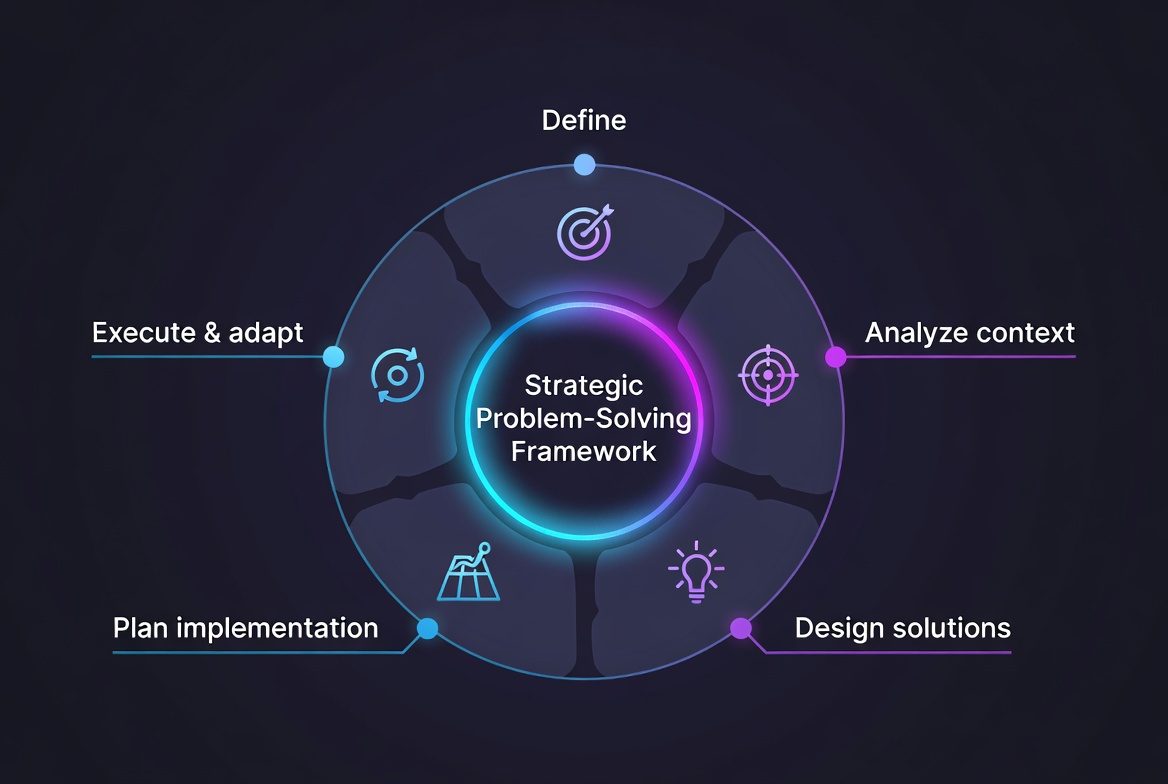
The ZPro Problem-Solving Framework
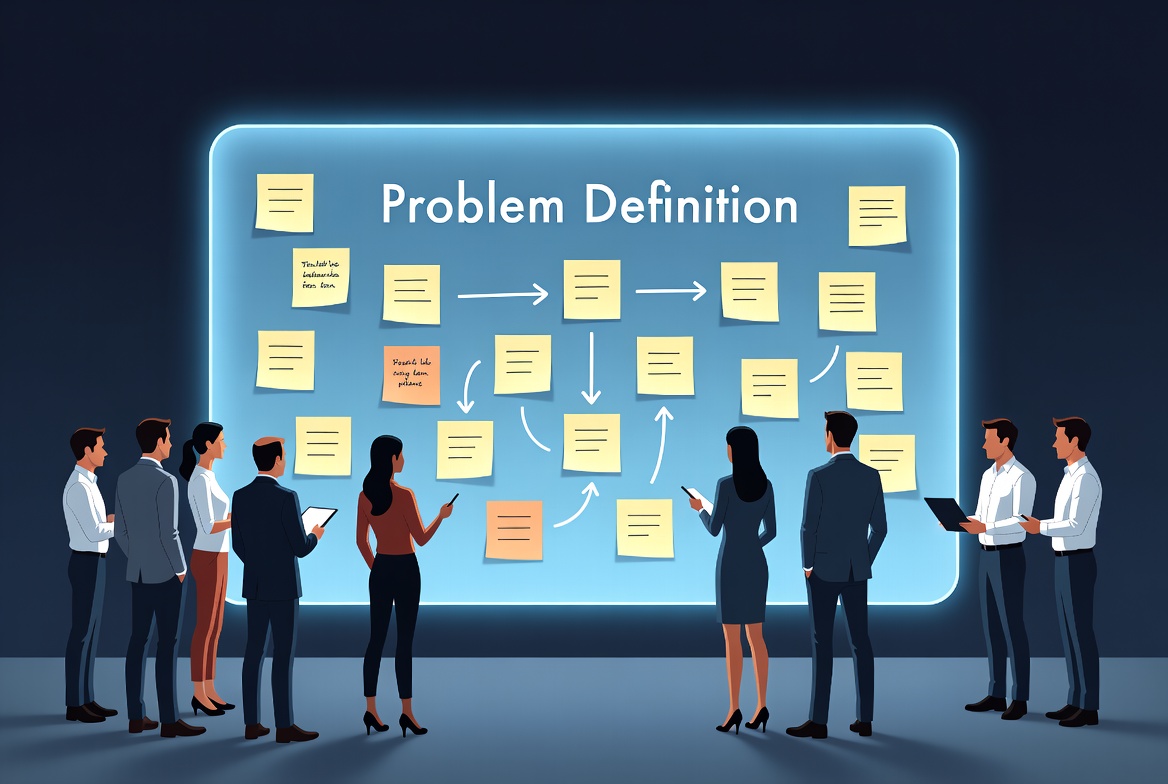
Phase 1: Problem Definition (The "What")
Before jumping to solutions, we spend significant time understanding the problem itself. This includes:
- Root Cause Analysis: Using techniques like the 5 Whys and fishbone diagrams to identify underlying causes
- Stakeholder Mapping: Understanding who is affected by the problem and who has influence over potential solutions
- Success Criteria: Defining what success looks like in measurable terms
- Constraints Identification: Understanding limitations around time, budget, resources, and organizational capabilities
The goal is to develop a problem statement that is specific, measurable, and actionable.
Phase 2: Context Analysis (The "Why")
Complex problems don't exist in isolation. Understanding the broader context is crucial for developing effective solutions:
- Environmental Scanning: Analyzing market trends, competitive landscape, and regulatory environment
- Organizational Assessment: Understanding the client's capabilities, culture, and constraints
- Historical Analysis: Learning from past attempts to solve similar problems
- Benchmarking: Studying how other organizations have addressed similar challenges
Phase 3: Solution Design (The "How")
With a clear understanding of the problem and context, we move to solution design:
- Creative Ideation: Using brainstorming and design thinking techniques to generate potential solutions
- Solution Mapping: Evaluating options against criteria like feasibility, impact, and alignment with organizational goals
- Risk Assessment: Identifying potential risks and developing mitigation strategies
- Resource Planning: Understanding what resources (people, technology, capital) will be required
Phase 4: Implementation Planning (The "When")
Even the best solutions fail without proper implementation planning:
- Roadmap Development: Creating a detailed plan with milestones and dependencies
- Change Management: Planning for the human side of change
- Measurement Framework: Establishing metrics to track progress and success
- Contingency Planning: Preparing for potential obstacles and setbacks
Phase 5: Execution and Adaptation (The "Do")
Implementation is where many problem-solving efforts fail. Our approach emphasizes:
- Agile Implementation: Breaking large initiatives into smaller, manageable phases
- Continuous Learning: Regularly reviewing progress and adapting plans based on what we learn
- Stakeholder Engagement: Keeping all relevant parties informed and engaged throughout the process
- Course Correction: Being willing to adjust or even abandon approaches that aren't working
Key Principles
Several principles guide our approach to problem-solving:
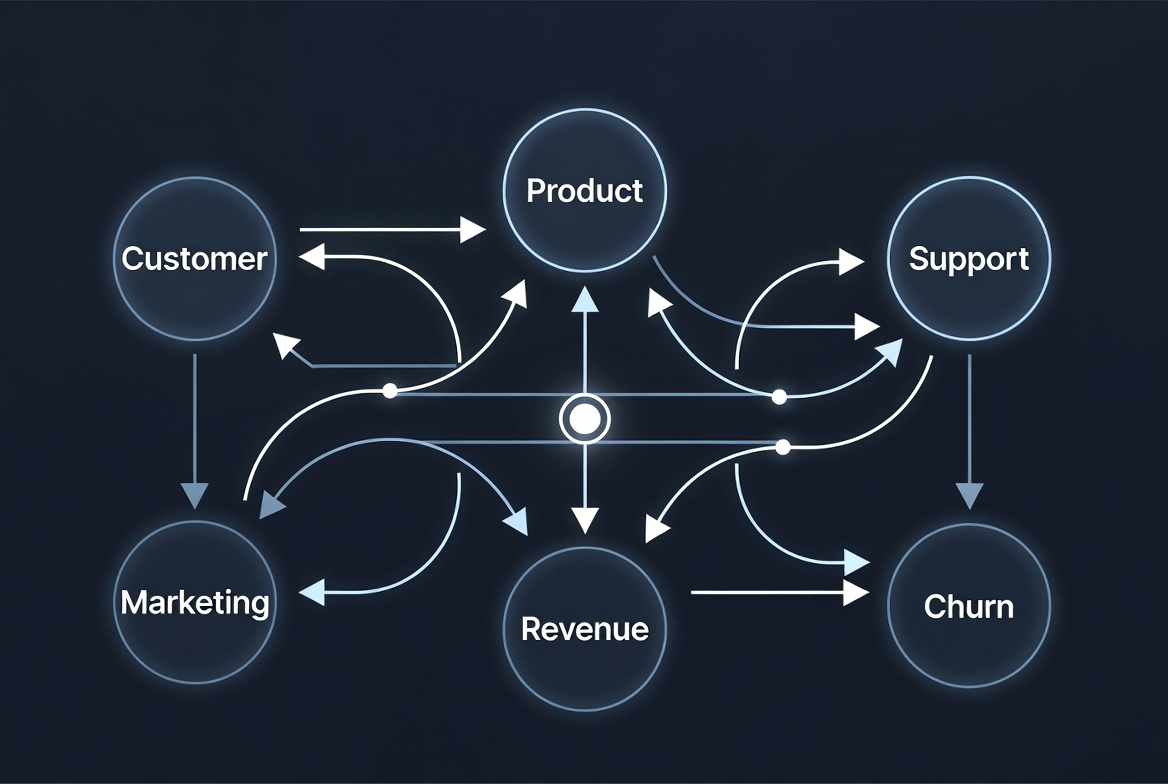
1. Systems Thinking
Complex problems are usually symptoms of deeper systemic issues. We always look for the interconnected relationships and underlying patterns that create the visible problems.
2. Multiple Perspectives
We actively seek diverse viewpoints and challenge our own assumptions. The best solutions often come from unexpected places.
3. Evidence-Based Decisions
While we value intuition and creativity, we ground our decisions in data and evidence whenever possible.
4. Iterative Approach
We believe in starting small, learning fast, and scaling what works. Perfect is the enemy of good.
5. Human-Centered Design
Technical solutions that ignore human factors are doomed to fail. We always consider the people who will use and be affected by our solutions.
Common Pitfalls and How to Avoid Them
Through our experience, we've identified several common pitfalls in problem-solving:
The Solution Jump
Many teams rush to solutions before fully understanding the problem. Our framework forces a disciplined approach to problem definition.
Analysis Paralysis
Some organizations get stuck in endless analysis. We use time-boxed analysis phases and emphasize learning through action.
Silver Bullet Syndrome
There's rarely a single solution to complex problems. We develop portfolios of complementary interventions.
Implementation Gaps
Great strategies fail without proper execution. We invest heavily in implementation planning and change management.
For product teams, combining this framework with the principles in building resilient digital products can dramatically reduce the risk of expensive wrong turns.
Real-World Application
Let me share a brief example of how this framework helped a client:
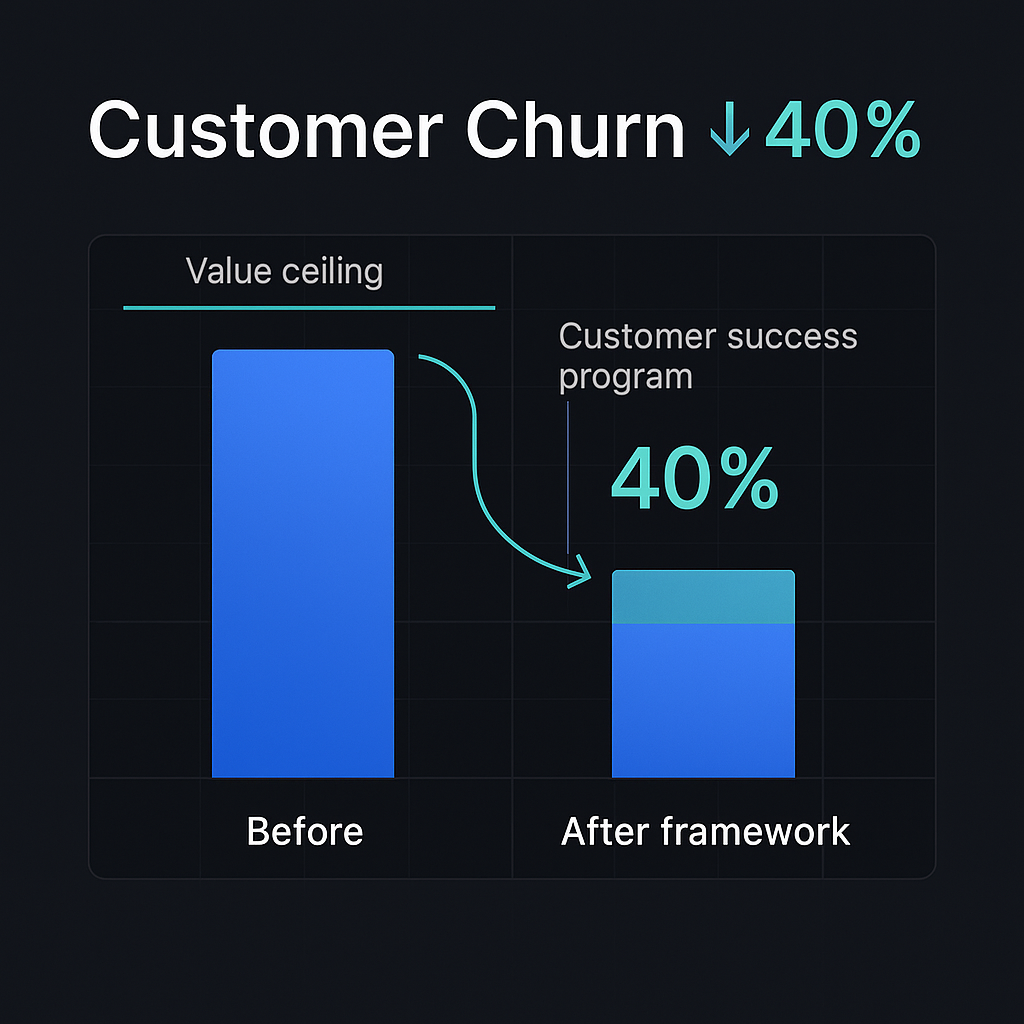
A B2B software company was struggling with customer churn. Rather than immediately jumping to solutions like "improve customer service" or "add more features," we applied our framework:
-
Problem Definition: We discovered that churn was highest among customers who had been with the company for 6-12 months, not new customers as initially assumed.
-
Context Analysis: We found that these customers were hitting a "value ceiling" where they weren't discovering new ways to use the product.
-
Solution Design: Instead of just adding features, we developed a comprehensive customer success program that included proactive outreach, training, and feature discovery tools.
-
Implementation: We rolled out the program in phases, measuring impact at each step.
-
Results: Customer churn in the 6-12 month cohort decreased by 40% within six months.
Conclusion
Strategic problem-solving is both an art and a science. It requires structured thinking, creative insight, and practical execution skills. Most importantly, it requires patience and discipline to resist the temptation to jump to solutions before fully understanding the problem.
The framework I've shared has been refined through years of experience and hundreds of client engagements. But it's not a rigid prescription—it's a flexible approach that can be adapted to different types of problems and organizational contexts.
The key is to approach complex problems with humility, curiosity, and a commitment to learning. When you combine that with the right tooling—whether that's resilient product architectures, an AI operating system for your team, or a strong remote culture—you give your organization the best possible chance to solve the problems that actually matter.